
Short answer: If you want to see the whole country in one trip, March and April are usually the best months. For single regions: the north is best from October to April, the central coast from February to August, and the south from December to April. The main months to plan around are October and November on the central coast, when rain and storms peak.
Vietnam is long and narrow, so it never has one "season" for the whole country. This guide breaks it down by region, with average temperatures and rainfall, a month-by-month table, and the festival dates for 2027 and 2028. Climate figures are long-term averages from published climate tables (checked November 2026), not forecasts.
Best time to visit Vietnam: quick answer by region
Each region has its own dry season, and they do not line up neatly. Use this table to see where the weather works for your dates.
| Region | Main places | Best months | Harder months | Why |
|---|---|---|---|---|
| North | Hanoi, Ha Long Bay, Ninh Binh, Sa Pa, Ha Giang | October–November, March–April | June–August (hot, wet); December–February (cool, grey) | Four seasons, with a cool winter and a hot, rainy summer |
| Central coast | Hue, Hoi An, Da Nang | February–August | September–December, peaking October–November | Rain and storms arrive in autumn, the opposite of the south |
| South-central coast | Nha Trang | January–August | September–December | Long dry season, short wet season late in the year |
| Highlands | Da Lat | November–April | May–October | Cool all year; rainy season matches the south |
| South | Ho Chi Minh City, Mekong Delta | December–April | May–November (afternoon downpours) | Hot all year, with a clear dry and wet season |
| Islands | Phu Quoc | December–March | May–November | Calm, clear sea in the dry months |
Month-by-month across the three regions
This table rates each month as good, mixed or hard for a typical sightseeing trip. It is a summary of the climate data below, not a guarantee for any single year.
| Month | North | Centre (Hue–Hoi An) | South |
|---|---|---|---|
| January | Mixed – cool, often grey | Mixed – drying out | Good – dry |
| February | Mixed – cool, drizzle; Tet some years | Good | Good – dry |
| March | Good – warming up | Good | Good – dry, hot |
| April | Good | Good | Good – hottest month |
| May | Mixed – heat building | Good – hot, beach weather | Mixed – rains begin |
| June | Hard – hot, humid, showers | Good – hot | Mixed – afternoon rain |
| July | Hard – hottest, wet | Good – hot | Mixed – afternoon rain |
| August | Hard – wettest month in Hanoi | Mixed – storm risk starts | Mixed – afternoon rain |
| September | Good – harvest season in the mountains | Mixed – rain building | Hard – wettest month |
| October | Good – dry, mild | Hard – wettest month | Mixed – still wet |
| November | Good – dry, mild | Hard – floods possible | Mixed – rains ending |
| December | Mixed – cool | Mixed – rain easing | Good – dry season starts |
The pattern is easy to remember: when the south is wet (May to November), the central coast is mostly dry until early autumn. When the central coast is wet (October to December), the north is at its best.
Northern Vietnam: Hanoi, Ha Long Bay, Sa Pa and Ha Giang
The best months for the north are October–November and March–April. They are mild, mostly dry and clear enough for views.

Hanoi. January is the coldest month, with a daily mean of about 16.4°C. July is the hottest, at about 29.2°C, and August is the wettest, with about 274 mm of rain. Winter is not freezing, but it is damp and grey, and many older buildings have no heating, so pack a warm layer.
Sa Pa. At about 1,570 m, Sa Pa is much cooler than Hanoi. January averages about 8.6°C, and the record low is -6.1°C, so frost and the occasional snowfall do happen. July is the wettest month, with about 461 mm. The golden rice terraces are usually seen from September to mid-November, just before the harvest.
Ha Giang. Autumn is the favourite season here. The pink buckwheat flowers bloom around October and November, with November usually the peak. Winter mornings in the high passes are cold, and summer rain can cause landslides on mountain roads.
Ha Long Bay and Lan Ha Bay. Spring and autumn bring the clearest views. Winter often means fog and low cloud over the karsts. Summer is warm enough for swimming, but it is also the time when storms can cancel cruises.
Air quality in winter. Hanoi's air is often at its worst in the cooler, drier months. A 2018 global report measured Hanoi's average fine dust at about four times the WHO guideline. If you have asthma or other breathing problems, check a live air-quality app and plan outdoor days when readings are lower.
Central Vietnam: Hue, Hoi An and Da Nang
The central coast is best from February to August. Its rainy season comes late in the year, from about September to December, and is heaviest in October and November.
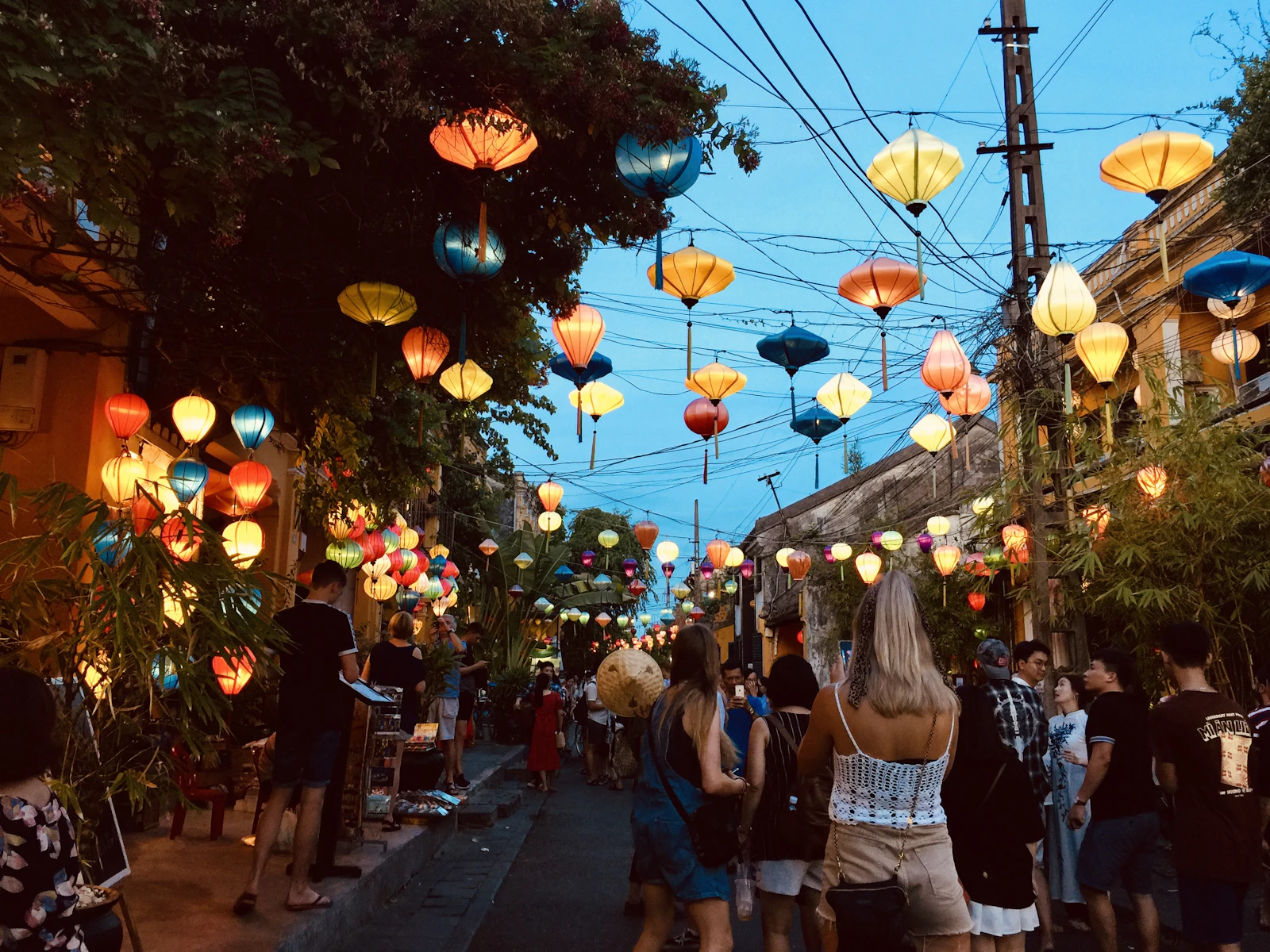
Da Nang's climate table shows the contrast clearly. October averages about 628 mm of rain and November about 448 mm. February to April is the driest stretch. January is the coolest month, at a daily mean of about 21.5°C, and June and July are the hottest, at about 29°C.
In October and November, Hue and Hoi An can flood, and storms can close roads or cancel flights for a day or two. You can still travel then, but build in flexibility and expect some rainy days. For month-by-month detail on this area, see our sister site's Da Nang weather guide.
Nha Trang, further south, has a longer dry season, from January to August. Its wettest months are October and November, with November averaging about 382 mm.
Da Lat, in the Central Highlands, follows the southern pattern instead. It is dry from November to April, with only about 9 mm of rain in January, and wet from May to October, with September the wettest month. It is cool all year, with an average of about 18°C.
Southern Vietnam: Ho Chi Minh City, the Mekong Delta and Phu Quoc
The south is hot all year. The best time is the dry season, from December to April.
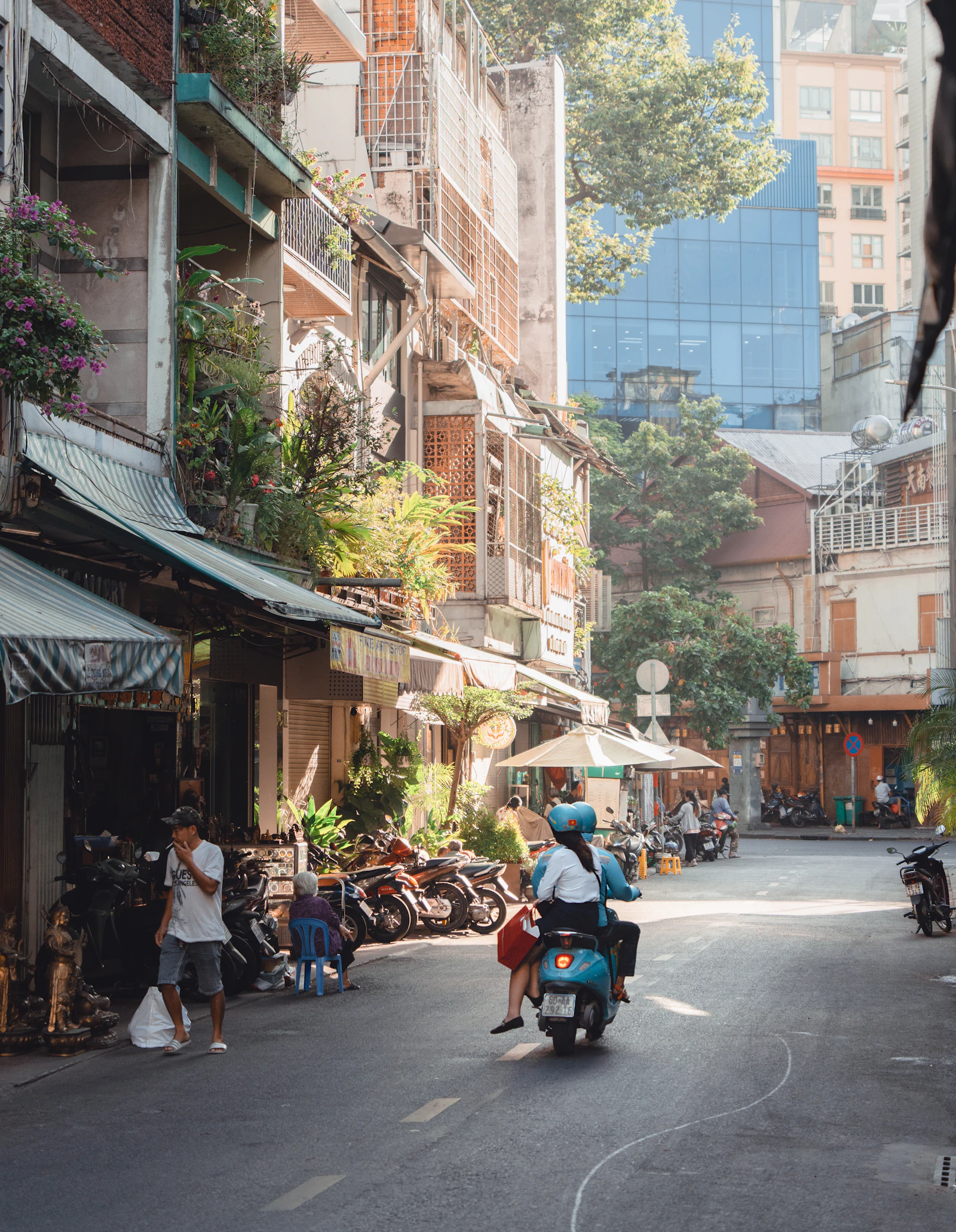
Ho Chi Minh City. The wet season runs from May to November. September is the wettest month, with about 490 mm. Rain usually comes as a heavy afternoon or evening downpour that passes within an hour or two, so the wet season is still very travelable. April is the hottest month, with average highs of about 34.5°C.
The Mekong Delta. It follows the same pattern as Ho Chi Minh City. The dry months are the most comfortable for boat trips and cycling, while the late wet season brings higher water in the canals.
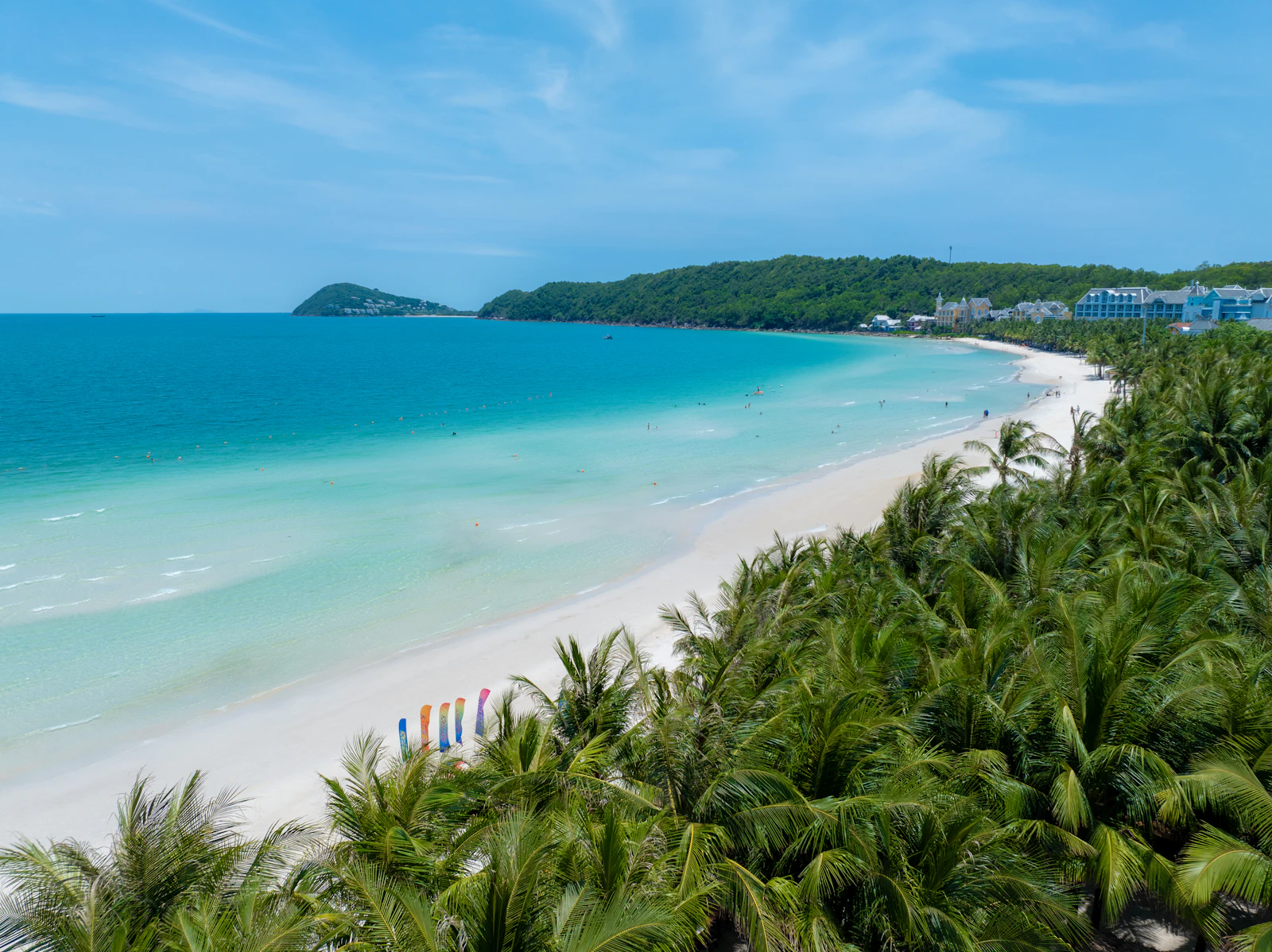
Phu Quoc. The island is best from December to March, when the sea is calm and clear. The rainy season runs roughly from April or May to November, with August and September the wettest months, at about 480 mm each. Some beaches get rough surf and debris in the wet season.
High season, low season and prices
Good weather and high prices usually arrive together. Knowing the peaks helps you decide whether to pay more for sunshine or travel just outside the rush.
- December to April: International high season, especially in the south, Phu Quoc and on popular routes such as Hanoi to Ha Long. Book cruises and island hotels early.
- Christmas to New Year: One of the busiest and most expensive weeks of the year for hotels and flights.
- Tet and 30 April to early May: Domestic travel peaks. Train berths and flights sell out and prices can roughly double.
- June to August: Vietnamese school holidays, so central beaches such as Da Nang and Nha Trang fill up with domestic visitors, especially at weekends.
- Value windows: Late September to November in the north, and May or early June on the central coast, often give good weather with fewer crowds.
What to pack for each region and season
Most trips cross at least two climates, so pack layers rather than one wardrobe.
- North in December to February: A warm jacket, a fleece or sweater and closed shoes. Add a hat and gloves for Sa Pa or Ha Giang, where nights can drop near freezing.
- North in summer: Light, breathable clothes, a compact umbrella and quick-dry shoes for sudden storms.
- Central coast in October and November: A proper rain jacket, sandals that can get wet and a dry bag for your phone and documents.
- South any time: Sun protection, a hat and a light rain layer from May to November.
- Everywhere: Shoulders and knees covered for temples and pagodas, and insect repellent, especially in the Mekong Delta.
Typhoon season: when it hits and how to plan around it
Storm season affects the north and central coast from about August to November, with October usually the riskiest month for central Vietnam. The south and Phu Quoc are rarely hit directly.
Storms do not cancel whole trips, but they can cancel a cruise, close a mountain road, or ground flights for a day. Simple ways to protect your trip:
- Book cruises, flights and hotels with free date changes in August to November.
- Keep one flexible day in your plan, ideally in a big city like Hanoi or Da Nang.
- Follow Vietnam's National Centre for Hydro-Meteorological Forecasting (nchmf.gov.vn) and your airline's alerts.
- Get travel insurance that covers weather delays.
Festivals and busy dates for 2027 and 2028
Weather is only half of the timing question. Holidays change prices, crowds and what is open.
| Event | 2027 | 2028 | What it means for travellers |
|---|---|---|---|
| Tet (Lunar New Year) | 6 February | 26 January | Festive, but many family businesses close for several days; transport sells out and prices rise |
| Reunification Day and Labour Day | 30 April – 1 May | 30 April – 1 May | Domestic travel peak; beaches and flights get busy |
| Mid-Autumn Festival | 15 September | 3 October | Lanterns, mooncakes and children's festivities, especially in Hanoi and Hoi An |
| National Day | 2 September | 2 September | Public holiday; domestic travel rises |
Mid-Autumn falls on the 15th day of the 8th lunar month, so confirm the exact date locally. Around Tet, book transport early, and expect quieter cities with more shops closed for the first three days of the new year. Our Tet in Vietnam guide lists the 2027 dates and what stays open.
If your dates are fixed: where to go each season
Many people cannot choose their month. Here is how to shape a trip around the dates you have.
- December to February: Focus on the south, Phu Quoc and Da Lat, which are dry. Add the north with warm clothes. The central coast is drying out by February.
- March and April: The best window for a full north-to-south trip, like our 2-week Vietnam itinerary.
- May to August: Choose the central coast for beaches and dry weather. The north is hot and wet, and the south has afternoon rain but is still fine for cities.
- September to November: Choose the north. Mountain scenery is at its best and Hanoi is mild. Keep the central coast short and flexible.
Browse more destinations in our Where to go section.
Peak months and holidays also push prices up. For a breakdown of daily costs and what changes around Tet, see Vietnam travel cost per day.
Frequently asked questions
What is the best month to visit Vietnam?
March or April, if you want good weather in the north, centre and south on the same trip. If you are only visiting one region, the best month depends on where you go.
Is it worth visiting Vietnam in the rainy season?
Often, yes. In the south, rain usually comes in short afternoon bursts. The bigger risk is the central coast in October and November, when floods and storms can disrupt plans.
When is the best time to visit Ha Long Bay?
March to May and September to November usually give the best mix of clear views and calm water. Winter is often foggy, and summer has the highest risk of storm cancellations.
Does it snow in Vietnam?
Rarely, but it can. Sa Pa and other high areas in the far north sometimes see frost or light snow in December and January. Sa Pa's recorded low is -6.1°C.
When is typhoon season in Vietnam?
Roughly August to November for the north and central coast, with October the peak risk for central Vietnam. The south is rarely hit directly.
Is December a good time to visit Vietnam?
Yes, especially for the south and Phu Quoc, which start their dry season. Hanoi is cool, and the central coast may still have rain early in the month.
Sources checked November 2026: Wikipedia climate tables for Hanoi, Sa Pa, Da Nang, Nha Trang, Da Lat, Ho Chi Minh City and Phu Quoc; regional season guidance from vietnamtourism.com; Tet and Mid-Autumn date tables.