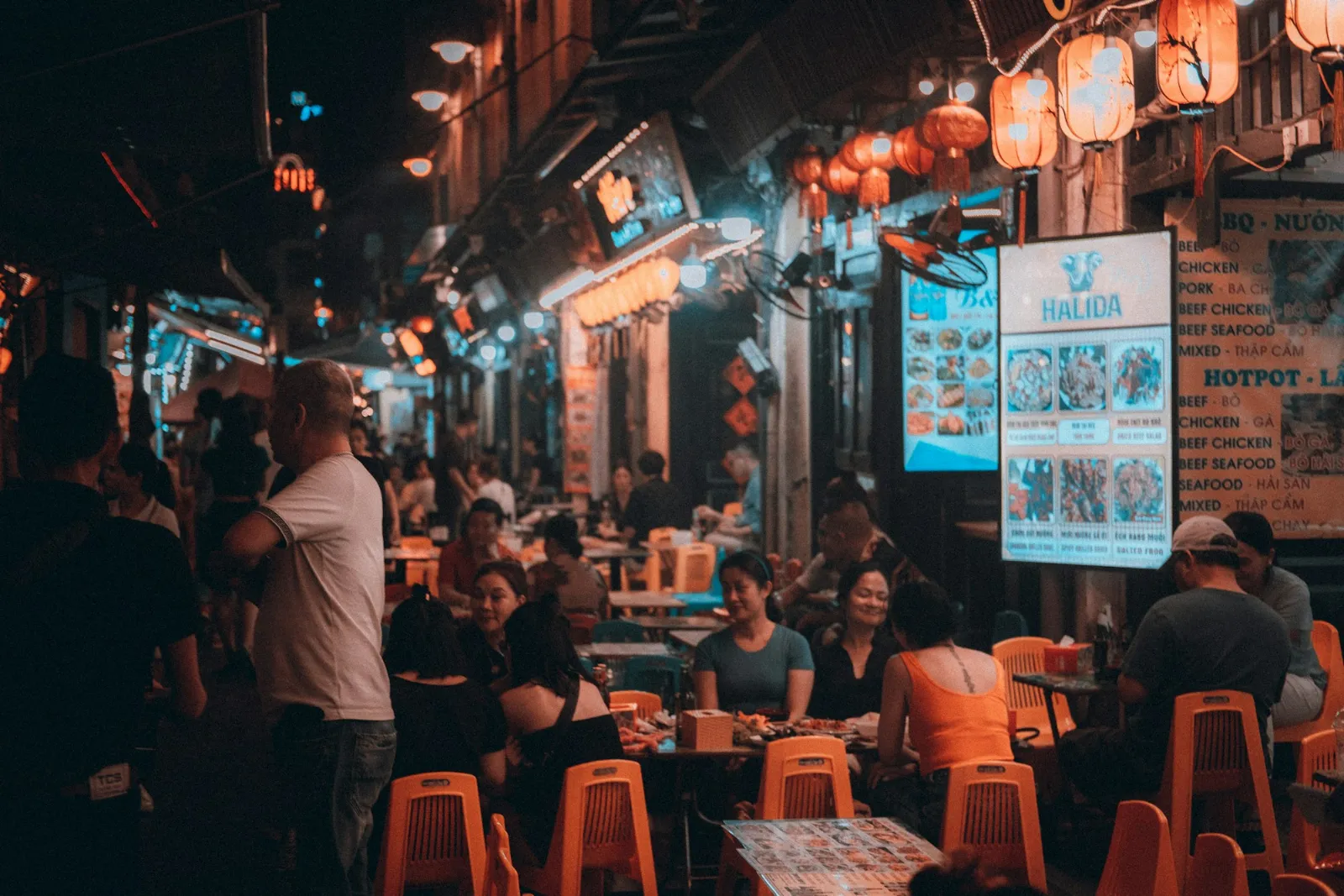
Short answer: Street food in Vietnam is generally safe to eat if you choose busy stalls that cook to order and serve food hot. The real risks are untreated tap water, raw pig blood dishes such as tiet canh, raw water plants and undercooked freshwater seafood, so skip those and keep oral rehydration salts handy.
Last updated: November 2026
Is street food safe in Vietnam? For most travellers, yes. Plastic stools and pavement kitchens are where much of the country eats breakfast, lunch and late-night snacks, and a pot of broth that has been boiling since dawn is often safer than a buffet that has sat under hotel lights. The problems come from a few specific foods and habits, not from street food as a whole.
This guide explains how to pick a stall, which dishes carry real risk, what to do about ice and herbs, how to manage food allergies, and what to buy at a pharmacy if your stomach turns. It applies from Hanoi to the Mekong Delta.
How common is food poisoning in Vietnam?
Serious food poisoning outbreaks in Vietnam are counted in the low hundreds per year, and most large ones start in canteens and mass catering rather than at single street stalls. Vietnam's Food Safety Authority (Ministry of Health) recorded 135 food poisoning outbreaks in 2024, affecting 4,936 people and causing 24 deaths, as reported by Nhân Dân newspaper.
The same report notes 31 large outbreaks with more than 30 people each, many linked to school kitchens, factory canteens and food sold in bulk such as bánh mì from one bakery. That pattern matters for travellers. A stall serving soup straight from the pot to your bowl is a different risk from food made hours earlier in large batches.
Mild traveller's diarrhoea is far more common than a reported outbreak, and it usually comes from water, ice or raw produce. That is where most of your attention should go.
Street food safety in Vietnam: how do you choose a stall?
Choose a stall that is busy with local customers, cooks your food in front of you and serves it steaming hot. High turnover means ingredients do not sit for long, and heat kills most of what causes stomach trouble.
- Look for a crowd at normal meal times. In Vietnam that means roughly 06:00–09:00 for noodle soups, 11:00–13:00 for rice and bún dishes, and early evening for grilled food.
- Pick one-dish specialists. A stall that sells only phở, bún chả or bánh cuốn goes through its ingredients fast.
- Watch the cooking. Broth should be at a rolling boil, grilled meat should be cooked through, and fried food should come out of hot oil.
- Check where the raw meat sits. Meat kept in a cool box or on ice is a better sign than trays left in the sun.
- Eat at the right time. A breakfast soup stall at 13:00 may be serving the last of the morning's broth. Go when the dish is fresh.
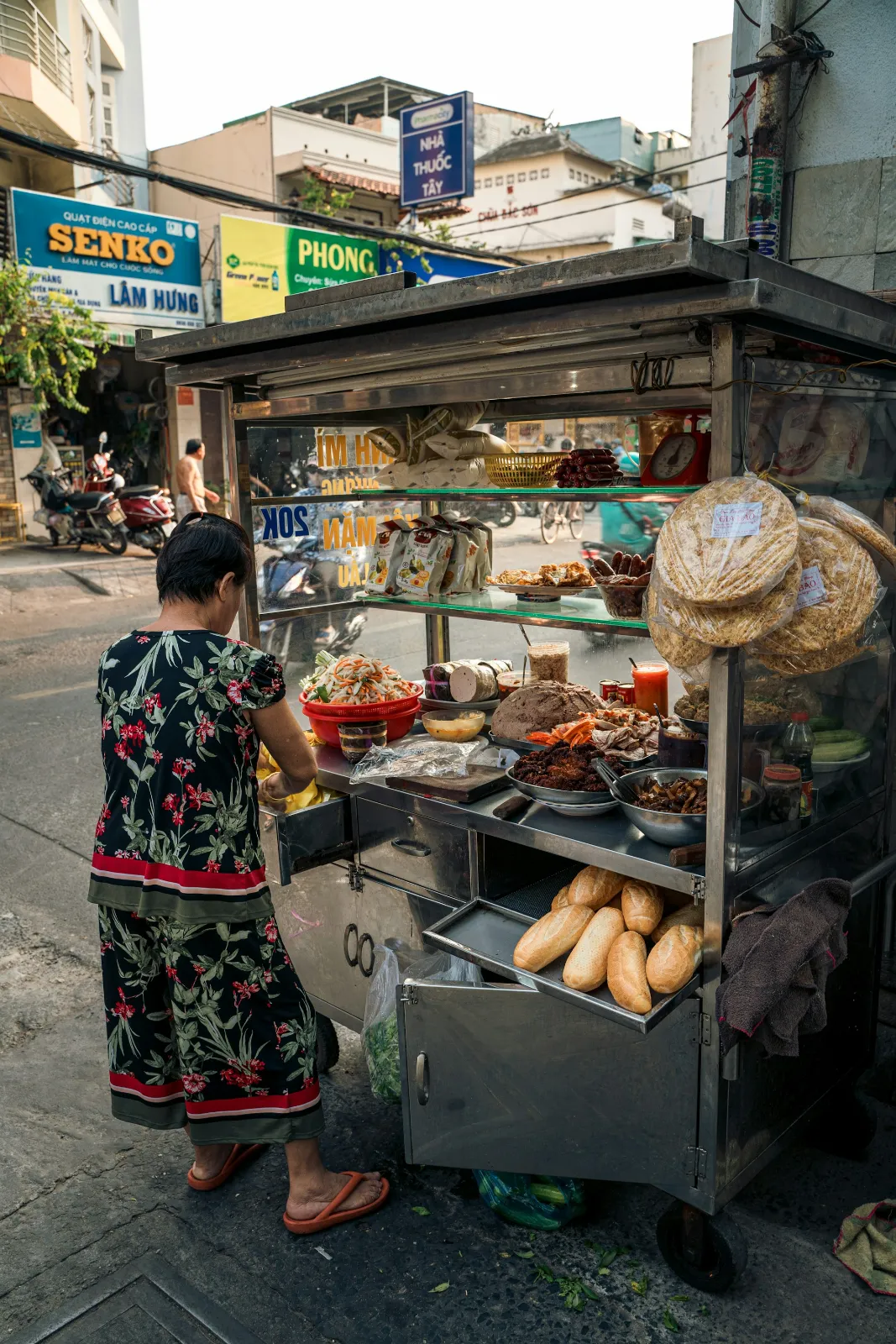
Bánh mì carts are a special case. The bread is safe, but cold fillings such as pâté, cold cuts and mayonnaise can spoil in tropical heat. Choose a cart that sells quickly, and prefer fillings that are grilled or heated in front of you.
Which Vietnamese street foods should you avoid?
Avoid dishes made with raw pig blood or raw pork, raw water plants, and raw or pickled freshwater crabs and shrimp. These carry specific infections that cooking would kill.
| Food | Vietnamese name | Risk | What to do |
|---|---|---|---|
| Raw pig or duck blood pudding | tiết canh | Streptococcus suis (meningitis, sepsis, permanent hearing loss) and trichinellosis | Do not eat it; ask if unsure |
| Fermented raw pork | nem chua | Uncooked pork can carry Streptococcus suis and trichinellosis | Skip, or choose a grilled version (nem nướng) |
| Raw water plants such as watercress | rau cải xoong, other water herbs | Liver flukes (Fasciola) | Eat these cooked, especially in rural areas |
| Raw or pickled freshwater crab, crayfish | cua, tôm sống | Lung flukes (Paragonimus) | Only eat freshwater shellfish fully cooked |
| Rare beef in phở | phở tái | Lower risk, as the broth partly cooks it | Order phở chín (well done) if you want no risk |
The US Centers for Disease Control and Prevention (CDC) specifically names tiet canh and warns that it is hard to tell by looking whether a dish contains uncooked blood (source: cdc.gov Yellow Book, checked November 2026). The CDC also reports roughly 6,000–10,000 fluke infections needing treatment in Vietnam each year.
The pig-blood risk is current, not historical. In August 2025, Vietnam's Ministry of Health sent an urgent dispatch to all provinces after a rise in human Streptococcus suis cases, as reported by Báo Lào Cai. If a menu or a host offers tiết canh, a polite "không, cảm ơn" (no, thank you) is enough.
Is the ice safe in Vietnam?
Ice is the hardest call, because you cannot see where it came from. The CDC advises travellers to avoid ice in Vietnam because it is often made from tap water, and tap water is not safe to drink.
In practice, many city cafés and restaurants buy factory ice delivered in sealed bags, but street vendors vary. If you have a sensitive stomach or a short trip with no room for a bad day, order drinks "không đá" (no ice), choose bottled or canned drinks, and drink hot tea or coffee. Brush your teeth with bottled water if you are cautious.
Are the fresh herbs and salads safe?
Fresh herbs are part of almost every Vietnamese meal, and they are the item most likely to have been washed in tap water. They are safe enough for most people, but they are the first thing to cut if your stomach is already upset.
Herb baskets come with phở in the south, with bún chả in Hanoi and with almost every rice-paper roll. Busy restaurants wash and refill them constantly. Quiet stalls may leave them out for hours. Raw shredded water spinach (rau muống chẻ), common with some noodle soups, is a water plant, so the CDC advice on raw water plants applies to it.
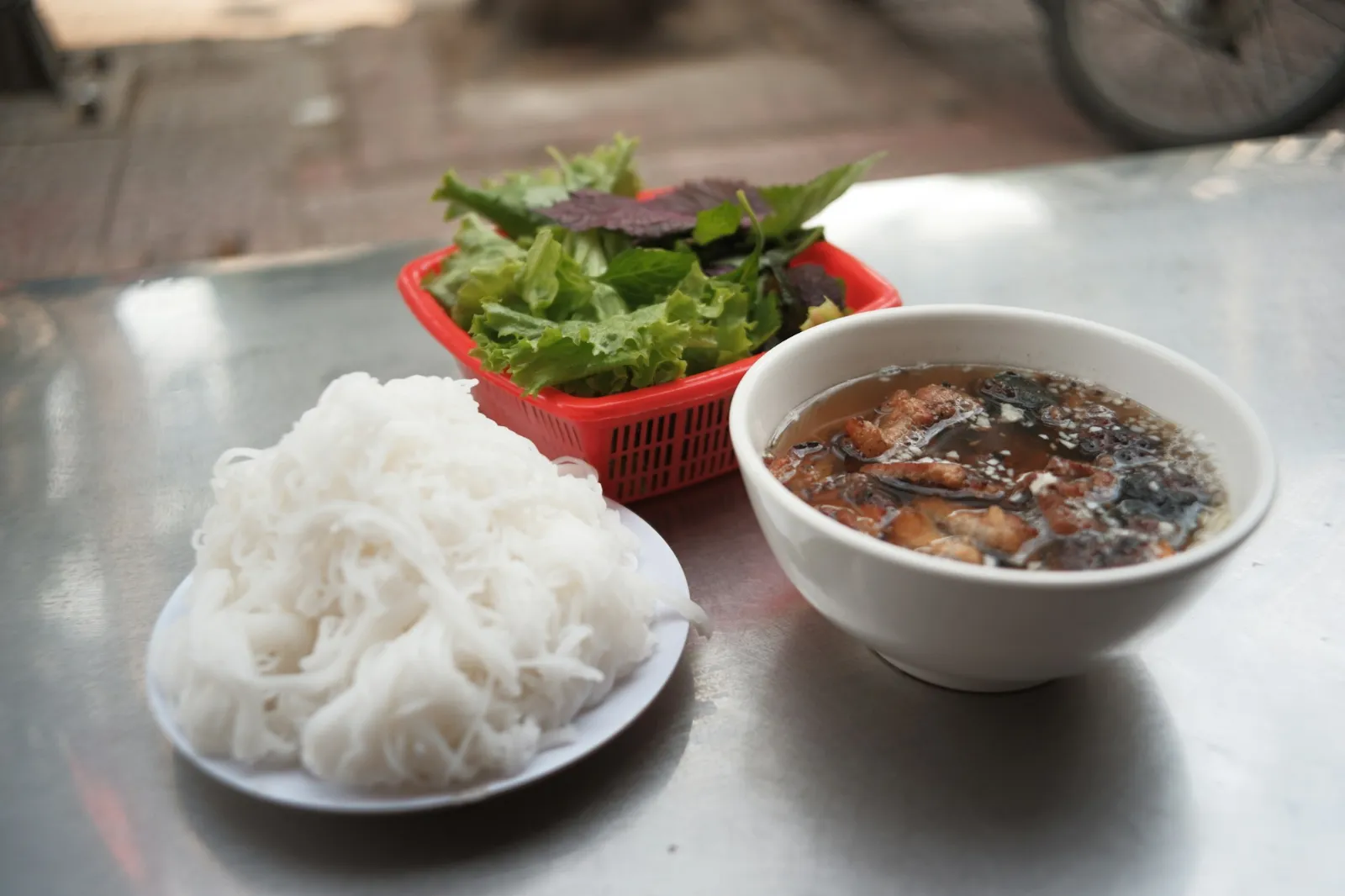
If you want to learn which herbs go with which dish, our guide to northern vs southern phở explains why the herb plate appears in Saigon but not in Hanoi.
How do you avoid food allergies at Vietnamese street stalls?
Assume that any dish may contain peanuts, fish sauce or shellfish unless the cook confirms otherwise. The CDC warns that many foods in Vietnam are unmarked and may contain peanuts, fish or shellfish.
Street stalls rarely have printed menus, let alone allergen lists. Show a card written in Vietnamese rather than relying on English. Useful phrases:
- Peanut allergy: "Tôi bị dị ứng đậu phộng" (south) or "Tôi bị dị ứng lạc" (north).
- Shellfish allergy: "Tôi bị dị ứng hải sản có vỏ (tôm, cua)."
- Fish allergy: "Tôi bị dị ứng cá và nước mắm."
- "Please don't add it": "Làm ơn không cho … vào."
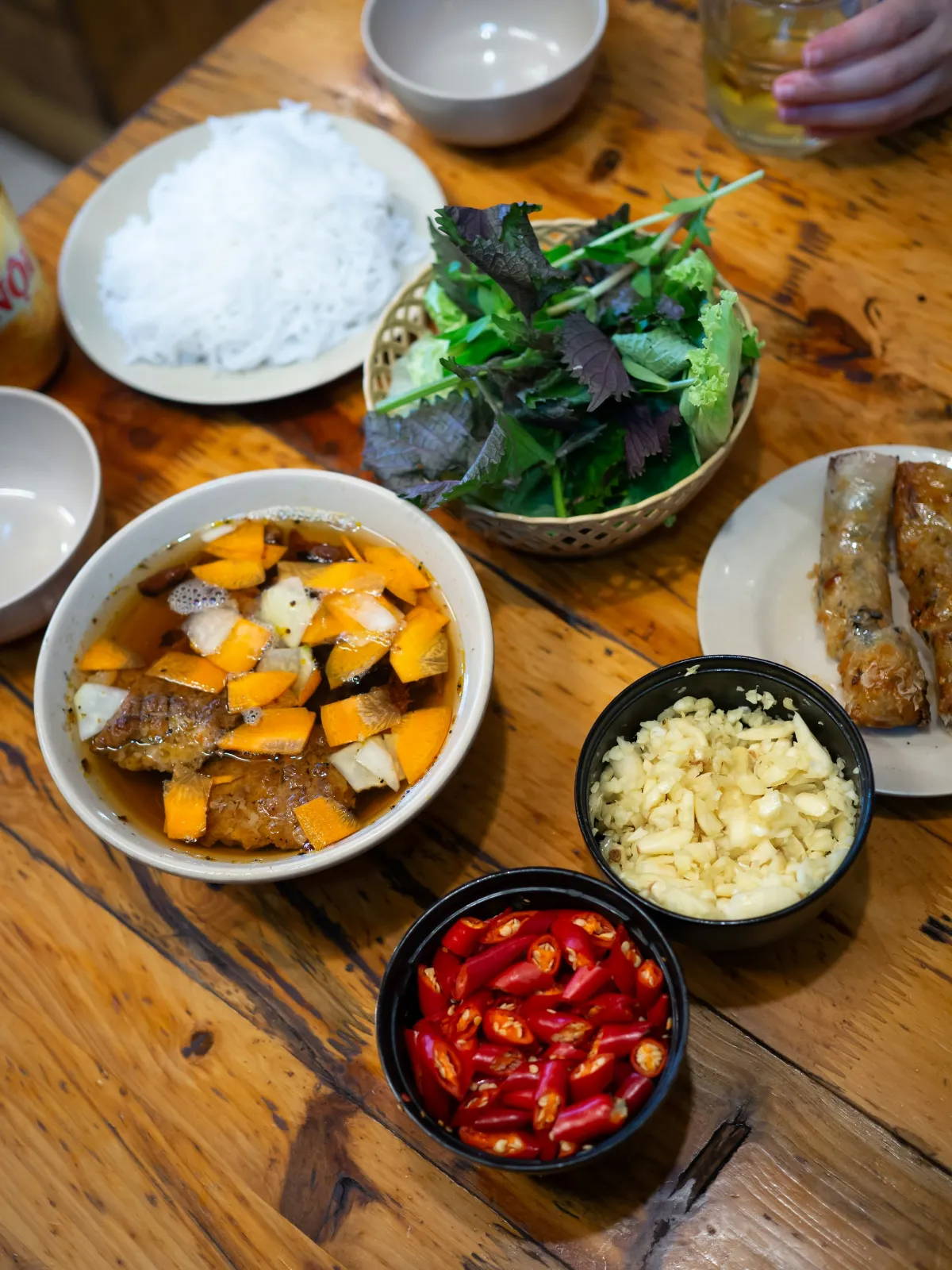
Watch for hidden sources. Crushed peanuts top many bún and salad dishes, dried shrimp goes into dipping sauces, and shrimp paste (mắm tôm) is served with bún đậu and some noodle dishes. If your allergy is severe, carry your own adrenaline auto-injector, because pharmacies may not stock one.
What should you do if you get sick from street food?
For ordinary diarrhoea, rest, drink plenty of safe fluids and use oral rehydration salts, sold in pharmacies as Oresol. Seek medical care quickly for high fever, blood in your stool, signs of dehydration, or any illness after eating raw blood or raw pork.
A sachet of Oresol 245 costs about VND 1,350 (US$0.05) at FPT Long Châu pharmacies, checked November 2026, and each sachet must be dissolved in exactly 200 ml of safe water. Mixing it weaker or stronger changes the balance of salts, so follow the packet.
For an emergency, call 115 for an ambulance. Since 1 November 2026, Circular 42/2026/TT-BYT also allows medical emergencies to be reported through 113, with a medical dispatcher at the provincial police command centre; 113, 114 and 115 all keep working during the transition, as explained by FPT Long Châu. Hotel staff can call for you and explain the address in Vietnamese.
Before you travel, the CDC recommends that visitors to Vietnam be vaccinated against hepatitis A and typhoid, both of which spread through food and water. Ask your doctor or travel clinic a few weeks before departure.
What are the safest street foods to start with?
Start with dishes that are boiled, grilled or fried to order and eaten immediately. They give you the full street food experience with the lowest risk.
- Phở and other noodle soups, served from a boiling pot.
- Bún chả and other grilled-meat dishes cooked over charcoal while you wait.
- Bánh xèo (crispy rice pancake), fried in front of you.
- Bánh mì with hot fillings from a busy cart.
- Peelable fruit such as bananas, mangosteen and rambutan.
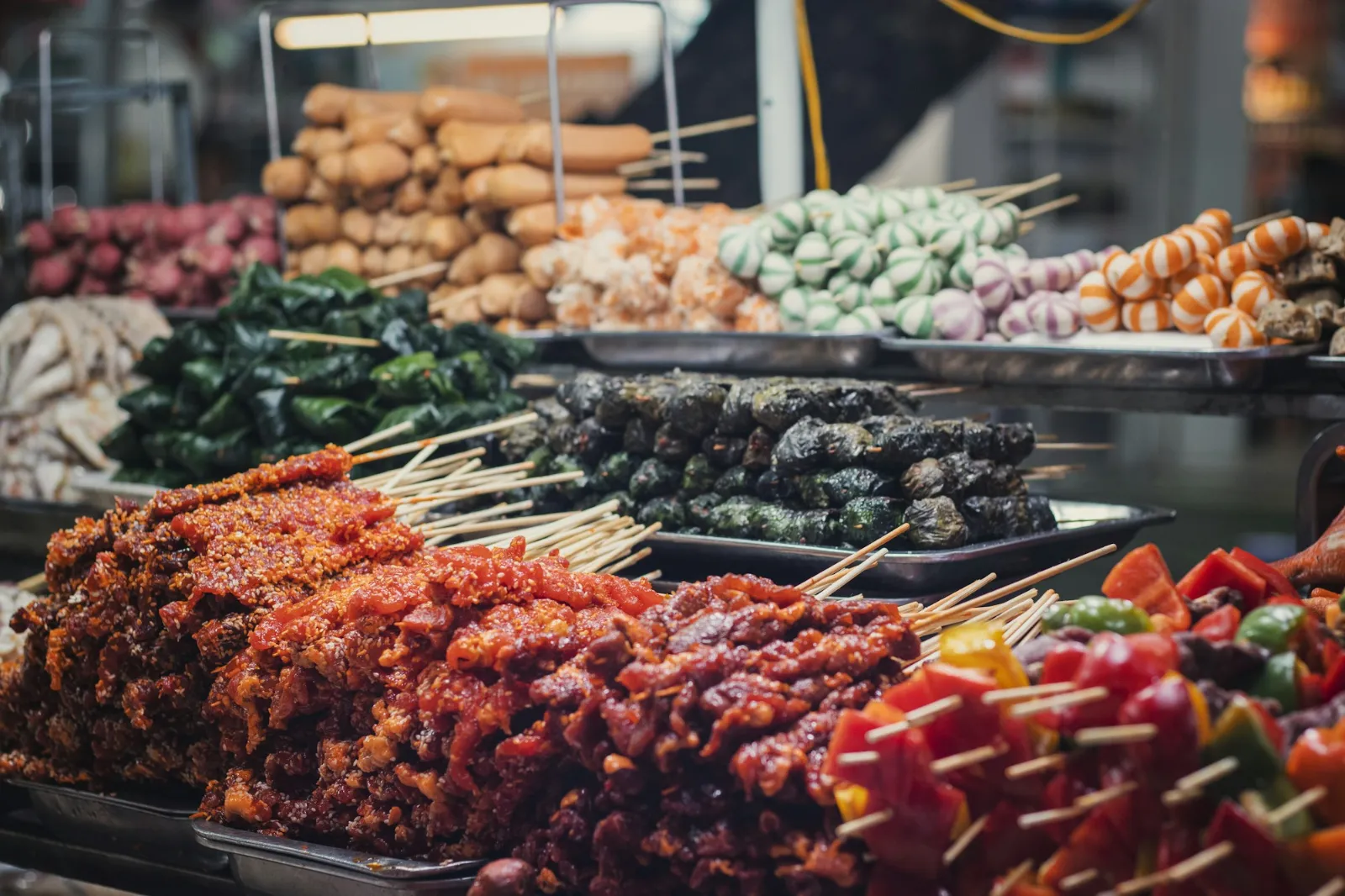
Street food is also the cheapest way to eat well. Our Vietnam travel cost guide shows how far a street food budget goes, and most stalls take cash only, so see money in Vietnam for small notes. In the south, the boat stalls at the Mekong Delta floating markets follow the same rule: eat what is cooked hot on board.
FAQ
Is it safe to eat street food in Vietnam?
Yes, street food in Vietnam is generally safe if you choose busy stalls and eat food cooked to order and served hot. Most problems come from tap water, ice, raw herbs and a few high-risk dishes such as raw pig blood. Avoid those and most travellers eat street food daily without trouble.
Can I drink tap water in Vietnam?
No, tap water in Vietnam is not safe to drink, according to the CDC. Drink bottled, filtered or boiled water instead. Hot tea and coffee are made with boiled water and are fine.
What is tiết canh and why should tourists avoid it?
Tiết canh is a pudding made from raw pig or duck blood mixed with cooked meat and herbs. Raw pig blood can carry Streptococcus suis, which causes meningitis, sepsis and permanent hearing loss. Vietnam's Ministry of Health issued an urgent warning about rising cases in August 2025.
Should I eat the herbs that come with my noodles?
Most travellers eat the herbs without problems, especially at busy restaurants that refill them often. If you have a sensitive stomach or are already unwell, skip raw herbs and raw water plants for a few days. Cooked dishes remain safe.
What medicine should I buy for an upset stomach in Vietnam?
Buy oral rehydration salts, sold as Oresol in pharmacies for about VND 1,350 a sachet. Dissolve each sachet in exactly 200 ml of safe water. See a doctor if you have a high fever, blood in your stool or cannot keep fluids down.
Which number do I call for an ambulance in Vietnam?
Call 115 for an ambulance. Since 1 November 2026, medical emergencies can also be reported through 113, and all emergency numbers keep working during the changeover. Ask hotel staff to help explain the address in Vietnamese.
Sources (checked November 2026): CDC Yellow Book, Vietnam chapter (cdc.gov); Nhân Dân newspaper citing the Vietnam Food Safety Authority's 2024 figures; Báo Lào Cai on the Ministry of Health's August 2025 Streptococcus suis dispatch; FPT Long Châu pharmacy on Oresol 245 and on Circular 42/2026/TT-BYT.