
Short answer: Fly any leg over about 700 km, such as Hanoi to Ho Chi Minh City or anywhere to Phu Quoc. Take the train for scenic medium legs and overnight trips where a berth replaces a hotel night. Use limousine vans or sleeper buses for short hops under about 6 hours, such as Hanoi to Ninh Binh, Sa Pa or Ha Long.
This guide explains how each option works in practice: journey times, typical fares, where to book, and the 2026 changes most guides have not caught up with. Prices are in Vietnamese dong (VND); about 25,700 VND = USD 1 (checked November 2026).
Train, bus or plane? A quick decision table
The right choice depends mostly on distance and on whether you can travel overnight. Use this table as a starting point, then check the sections below.
| Leg | Best option | Time | Typical one-way fare (VND) |
|---|---|---|---|
| Hanoi to Ninh Binh | Limousine van or train | 2–2.5 h | 150,000–350,000 |
| Hanoi to Ha Long (cruise port) | Limousine van or cruise shuttle | 2.75–3.5 h | from 260,000 |
| Hanoi to Sa Pa | Limousine van, or night train to Lao Cai | 5.5–6 h by van; about 8 h by train + 1 h road | 320,000–450,000 by van |
| Hanoi to Ha Giang | Sleeper bus or limousine | 5–7.5 h | from 260,000 |
| Hanoi to Hue | Night train or flight | about 12.5 h by train | 570,000 seat; 1,140,000–1,220,000 sleeper |
| Hanoi to Ho Chi Minh City | Flight | about 2 h 10 min | 600,000–2,200,000 base fare |
| Ho Chi Minh City to Da Lat | Flight or limousine | 50 min flying; 6–7 h by road | from 480,000 by limousine |
| Ho Chi Minh City to Mui Ne | Limousine van | about 3–3.75 h | from 350,000 |
| Ho Chi Minh City to Nha Trang | Train | about 8 h | 440,000–730,000 |
| Nha Trang to Da Lat | Bus or limousine | 3.5–4 h | 160,000–250,000 |
| Ho Chi Minh City to Phu Quoc | Flight | about 1 h | 500,000–1,800,000 base fare |
Bus and limousine figures are lowest listed fares on booking platforms; train fares are Vietnam Railways prices via Seat61 (June 2026); flight fares are typical base fares before taxes (October 2026). All checked November 2026.
A useful rule of thumb: a cheap flight plus a checked bag and the airport transfers often costs about the same as a 4-berth train sleeper. When times are similar, choose by comfort and scenery, not price.
Trains: the Reunification Express and the Sa Pa line
Vietnam's main railway runs 1,726 km along the coast between Hanoi and Ho Chi Minh City (Saigon). The fastest through trains take about 33 to 34 hours end to end, so almost nobody rides the whole line; travellers use it for overnight or scenic sections.

Classes
- Soft seat: air-conditioned reclining seats. Fine for daytime legs up to about 8 hours.
- Hard sleeper (6 berths): three tiers each side. Cheaper, but the top berth has little headroom.
- Soft sleeper (4 berths): the most popular choice for travellers on night trains. Lower berths cost a little more.
- Private carriages: companies such as Livitrans, Violette and Lotus attach their own sleeper cars to state trains. They cost about twice the state fare (around USD 75 for Hanoi to Hue).
Sample train fares (state trains)
| Route | Time | Soft seat | 6-berth (lower) | 4-berth (lower) |
|---|---|---|---|---|
| Hanoi to Hue | about 12 h 40 min | 569,000 | 1,070,000 | 1,218,000 |
| Hanoi to Da Nang | about 15 h 20 min | 651,000 | 1,137,000 | 1,294,000 |
| Da Nang to Nha Trang | about 9 h 15 min | 424,000 | 733,000 | 865,000 |
| Nha Trang to Saigon | about 8 h | 404,000 | 763,000 | 869,000 |
Source: Seat61 Vietnam page (updated June 2026), checked November 2026. Exact fares vary by train and date.
The Hue and Da Nang legs are covered in more depth by our sister site, which has local guides to Da Nang, Hoi An and Hue.
Hanoi to Sa Pa by train
There is no train to Sa Pa itself. Night trains run from Hanoi to Lao Cai in about 7.5 to 8 hours, then a road transfer of about 35 km takes you up to Sa Pa. Private sleeper cabins on this line cost around USD 45 to 65. Most travellers now take a limousine van instead because it goes direct, but the train is still the more comfortable way to travel overnight.
For the current night-train times, berth fares, the daytime train back and bus options from the airport, see our full guide to getting from Hanoi to Sapa.
Booking trains
- Official site: dsvn.vn, the Vietnam Railways site. Since August 2024 it accepts international cards through a VNPAY payment gateway, as well as Apple Pay and Google Pay. Some foreign cards are still declined; if yours is, agencies such as 12Go or Baolau sell the same tickets for a fee.
- When to book: most tickets open about 60 days ahead. Book a week or more ahead for sleepers on weekends and holidays.
- Prices now change with demand. Since 1 May 2026, Vietnam Railways uses demand-based pricing. Booking 20 days or more ahead can save 5 to 10%, unsold short legs can be 15 to 35% cheaper, and tickets bought within 48 hours of departure carry a surcharge of 5 to 7% (Vietnam News, 2026).
- Tet: about 300,000 tickets for the Tet 2027 travel period (23 January to 25 February 2027) went on sale on 5 September 2026. If you travel then, book as early as you can.
What about high-speed rail? A 350 km/h line between Hanoi and Ho Chi Minh City has been approved, but construction is now targeted to start in December 2027 (Government portal, September 2026). It will not affect trips for many years.
Buses and limousine vans
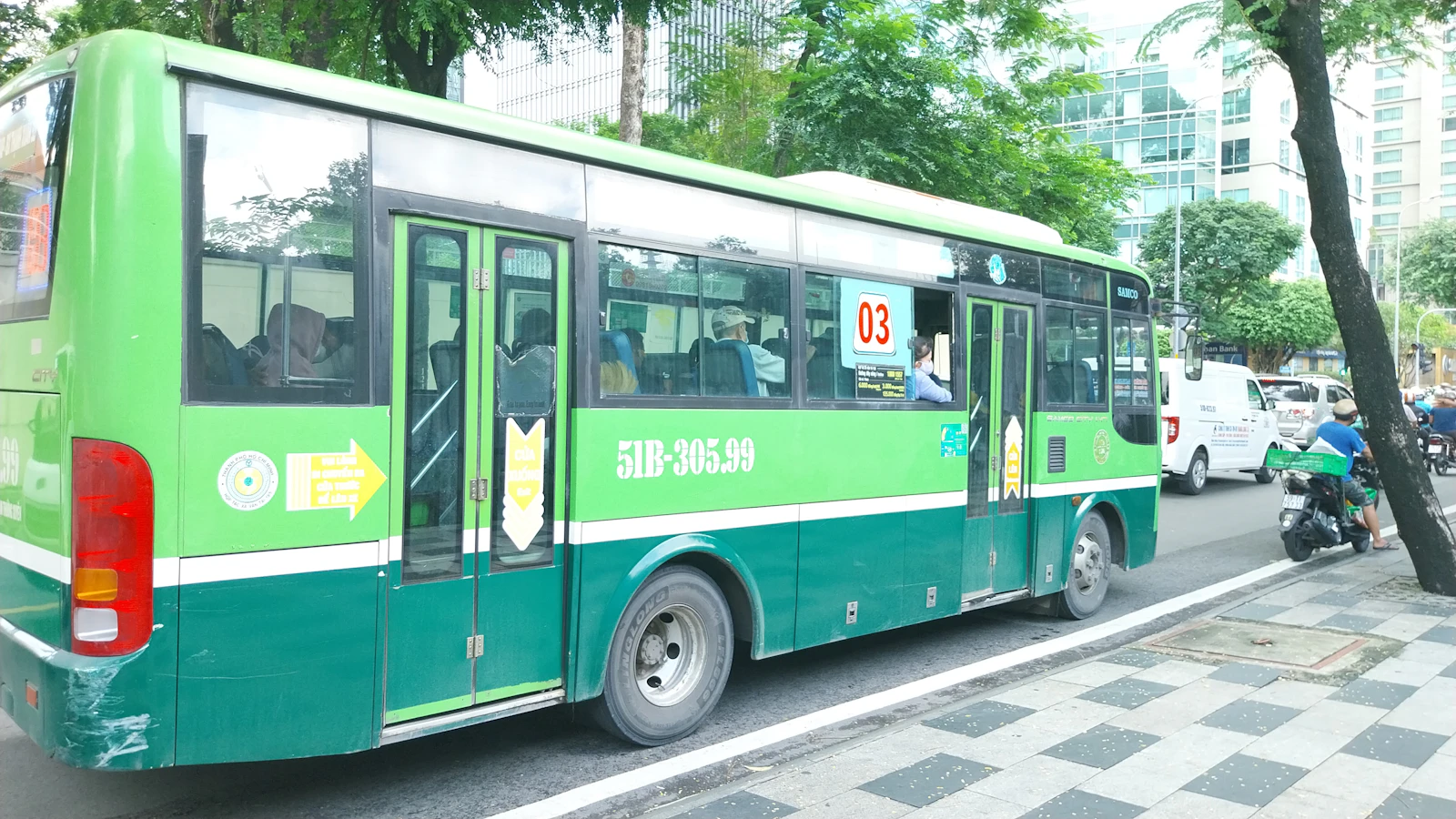
Buses cover every town in Vietnam and are the cheapest way to travel. For tourists the two useful types are limousine vans (9 to 11 leather seats, door-to-door in many cities) and sleeper buses (reclining bunks, often overnight).
Limousine vans
These are the best choice for trips of 2 to 6 hours. Many pick you up at your hotel in Hanoi's Old Quarter or central Saigon, cost only 50,000 to 100,000 VND more than a sleeper bus, and make fewer stops. Popular routes include Hanoi to Ninh Binh, Ha Long, Sa Pa and Ha Giang, and Saigon to Mui Ne and Da Lat.
Sleeper buses
Sleeper buses save a hotel night, but they are cramped for anyone over about 1.75 m, and night driving on mountain roads is the least safe way to travel in Vietnam. Rules have tightened:
- Since 1 January 2025, commercial drivers may drive at most 4 hours without a break, 10 hours a day and 48 hours a week (Circular 71/2024).
- From January 2026, double-decker sleeper buses are banned on the steepest mountain road classes, and drivers need at least two years' experience on large buses (SGGP, January 2026). A wider ban has been proposed but is not yet law.
For northern mountain routes such as Ha Giang or Sa Pa, a daytime limousine is usually the better choice. In Ha Giang itself, many visitors join the loop with a local driver or easy rider rather than driving.
Booking buses
Vexere is the largest Vietnamese booking platform; 12Go, Baolau and redBus sell many of the same seats in English. Some resellers add 30 to 50% to the operator's price, so it is worth comparing with the operator's own counter or your hotel. Large operators such as Phuong Trang (FUTA) run many long-distance routes in the south and centre.
Domestic flights
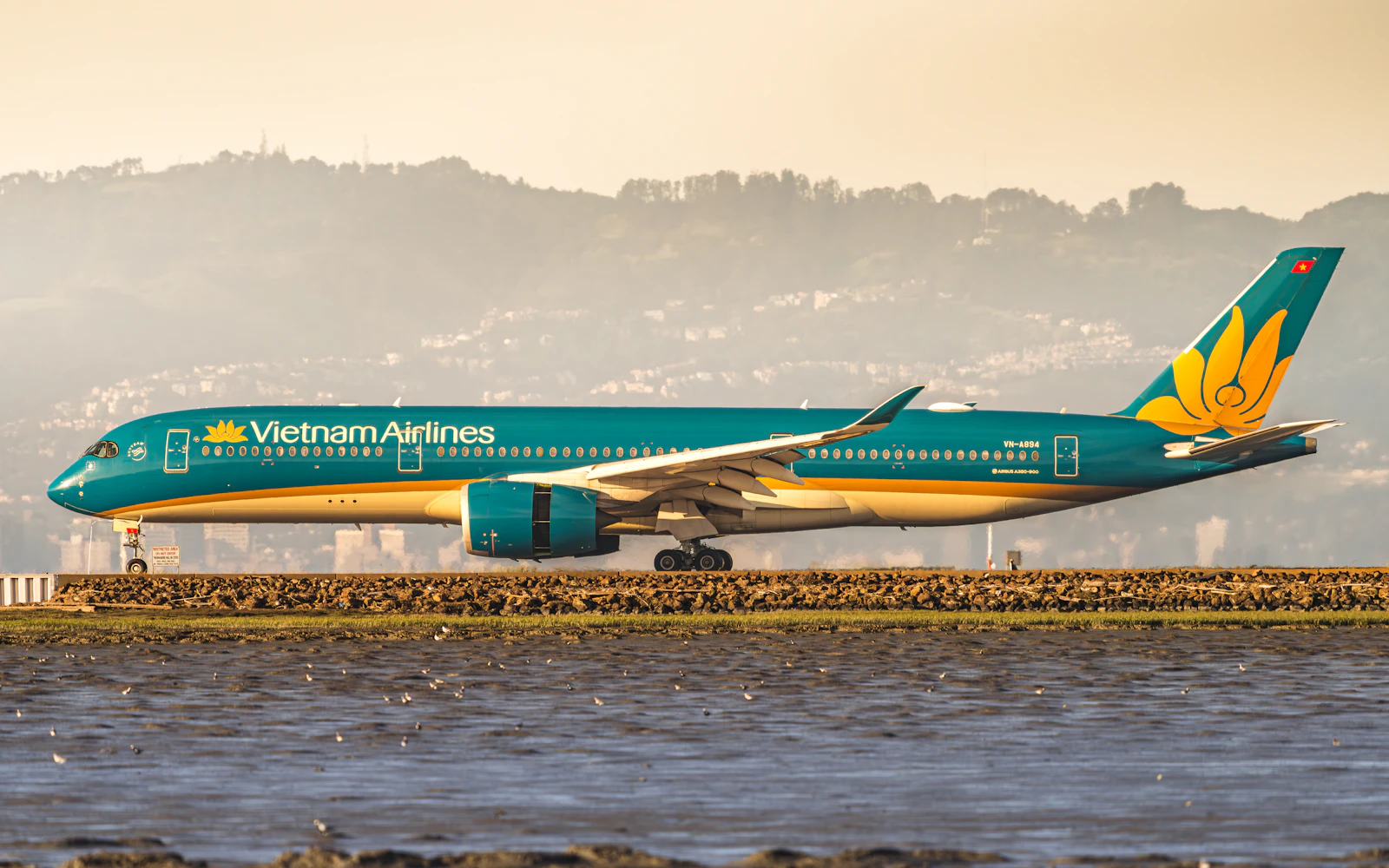
Flying is the only sensible way to cover the north–south distance in one day. Hanoi to Ho Chi Minh City takes about 2 hours 10 minutes, and Ho Chi Minh City to Phu Quoc about 1 hour.
Which airlines fly in 2026
- Vietnam Airlines: the full-service national carrier. Most domestic economy fares include checked baggage.
- Vietjet: the biggest low-cost carrier. The basic fare includes 7 kg of hand luggage only.
- Vietravel Airlines: a smaller carrier on main routes.
- Sun PhuQuoc Airways: launched on 1 November 2025, with routes from Phu Quoc to Hanoi and Ho Chi Minh City.
- Bamboo Airways: withdrew its scheduled flights from sale from 1 August 2026 (FlyMag, August 2026). Do not plan around it unless it has clearly resumed.
Real cost with baggage
| Hanoi to Ho Chi Minh City | Base fare (VND) | 20–23 kg checked bag |
|---|---|---|
| Vietjet | 600,000–1,400,000 | +180,000–350,000 online; 400,000–600,000 at the airport |
| Vietnam Airlines | 900,000–2,200,000 | Usually included on economy fares |
Typical fares, October 2026; checked November 2026. Taxes and fees are added at checkout.
The cheaper airline is often not cheaper once you add a bag, especially if you add it at the airport. If you travel with a big suitcase, compare the final price, not the headline fare.
At the airport
- ID: foreigners need their passport (with the entry stamp and visa or exemption) on domestic flights. A photocopy is not enough.
- Check-in: counters typically close 40 minutes before departure. Arrive 90 minutes early on busy routes.
- Ho Chi Minh City has two domestic terminals. Terminal 3 at Tan Son Nhat opened in 2025 and handles Vietnam Airlines and several other carriers' domestic flights; Vietjet still uses Terminal 1. Check your terminal before you book a Grab.
- Long Thanh International Airport, in Dong Nai east of Ho Chi Minh City, is scheduled to start commercial flights on 24 December 2026 with a mainly domestic schedule (VietnamPlus, October 2026). Check which airport your flight uses; the transfer from central Saigon takes much longer than to Tan Son Nhat.
Getting around in cities: Grab, Xanh SM and the metro
In big cities, ride-hailing apps are the easiest way to move. Grab and Xanh SM show the fare before you ride, and short motorbike trips cost about 18,000 to 45,000 VND.
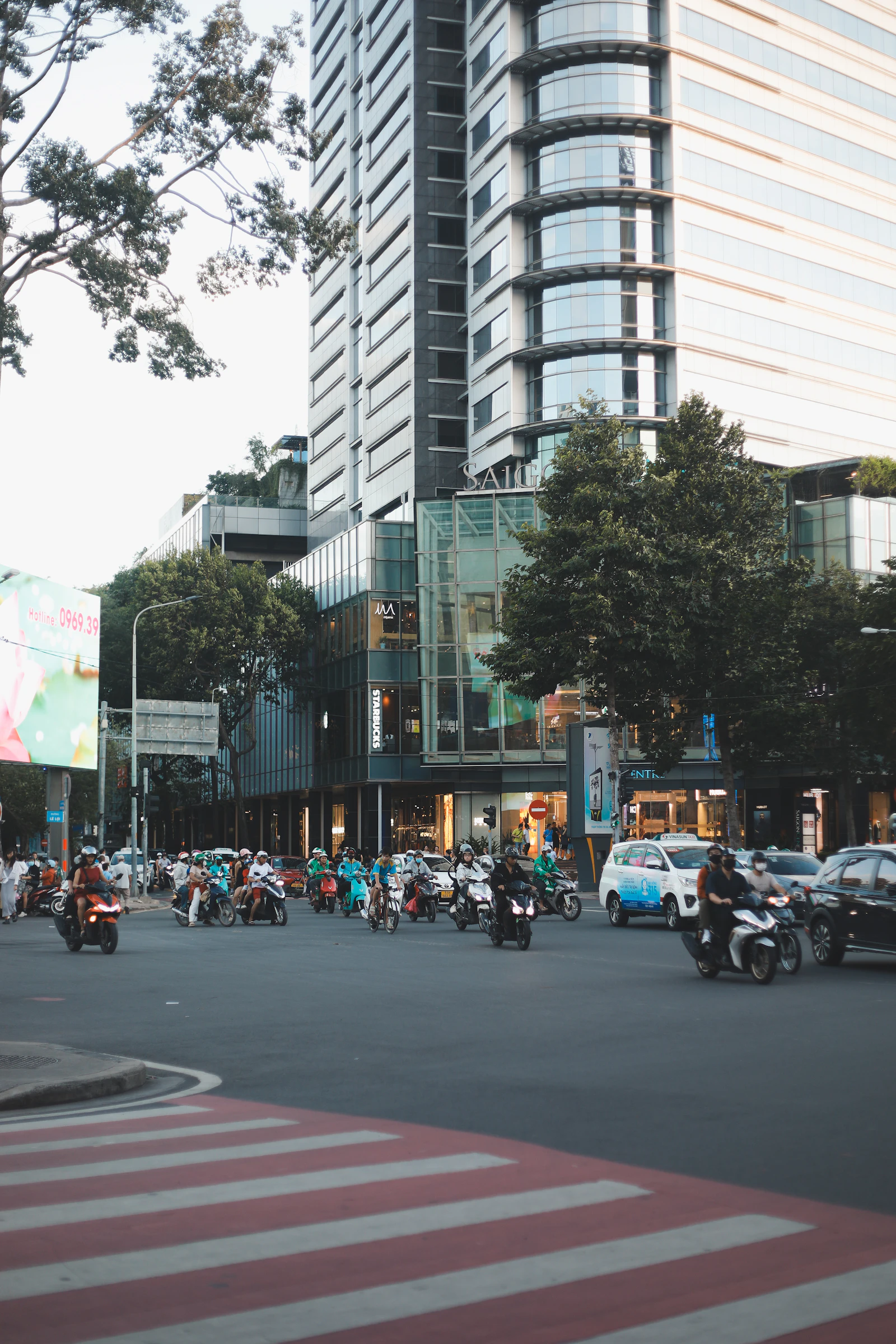
- Xanh SM runs electric VinFast cars and bikes and overtook Grab in market share in 2025 (about 45% against 36%, Mordor Intelligence data reported by Tuoi Tre). Having both apps lets you compare fares at busy times.
- Grab is still the most familiar app for visitors and works the same way it does elsewhere in Southeast Asia. For airport pick-up points, fares and fees, see our guide to using Grab in Vietnam.
- Ho Chi Minh City Metro Line 1 runs 20 km from Ben Thanh to Suoi Tien, with 14 stations. Single fares are 7,000 to 20,000 VND; a 1-day pass costs 40,000 VND.
- Hanoi metro has two elevated lines (2A and 3). Single trips cost 9,000 to 19,000 VND. They are more useful for commuters than for sightseeing in the Old Quarter.
Metro fares from VietNamNet (HCMC) and Hanoi Times (Hanoi), checked November 2026.
Ferries and boats
You need a boat for some of Vietnam's islands. The most common crossings are to Phu Quoc from the Mekong Delta and to Cat Ba Island near Ha Long.

- Phu Quoc: fast ferries run from Rach Gia (about 2.25 to 2.75 hours) and Ha Tien (about 1.25 to 1.75 hours). Fares are roughly 230,000 to 340,000 VND one way. Confirm times on the operator's site (Superdong or Phu Quoc Express), especially in rough weather.
- Cat Ba: the Tuan Chau (Ha Long) to Gia Luan ferry takes about 45 to 50 minutes. From Hai Phong, the Dong Bai to Cai Vieng crossing takes about 20 minutes. The old Ben Got pier closed to public ferries in March 2024, so older directions are out of date.
Five mistakes that cost time or money
Most transport problems in Vietnam come from planning too tight, not from the transport itself.
- Booking a night bus to save a night when a train exists. The 4-berth train sleeper is safer and you sleep better.
- Adding baggage at the airport. Vietjet's counter price for a bag can be double the online price.
- Not checking the terminal or airport in Ho Chi Minh City. T1, T3 and, from late December 2026, Long Thanh are different places.
- Ignoring Tet. From late January to late February 2027, trains and flights sell out and prices rise.
- Trying to see everything. Vietnam is long. A good two-week north-to-south itinerary uses one or two flights, not five.
For budgeting the whole trip, including transport, see our guide to Vietnam travel cost per day. To match routes to the weather, check the best time to visit Vietnam, region by region.
Frequently asked questions
Is it better to take the train or fly from Hanoi to Ho Chi Minh City?
Fly. The flight takes about 2 hours 10 minutes, while the fastest train takes about 33 hours. Take the train only for shorter sections, such as an overnight Hanoi to Hue leg or the coastal stretch to Nha Trang.
Can foreigners book Vietnam train tickets online?
Yes. The official dsvn.vn site has accepted international cards through VNPAY since August 2024. If your card is declined, agencies such as 12Go and Baolau sell tickets for a booking fee.
Are sleeper buses in Vietnam safe?
Most journeys are uneventful, but road travel at night is the riskiest option. Stricter rules on driver hours (2025) and mountain-road sleeper buses (2026) have helped. On mountain routes, choose a daytime limousine van or the train where one exists.
How far ahead should I book domestic flights?
Two to four weeks ahead is usually enough outside holidays. Book as early as possible for Tet, late April to early May, and early September.
Do I need my passport for domestic flights in Vietnam?
Yes. Foreign travellers must show their original passport at check-in and boarding. Keep it with you, not in checked luggage.
What is the best app for taxis in Vietnam?
Grab and Xanh SM are both reliable and show prices up front. Install both; in some cities one has more drivers than the other.
Sources
- Seat61: trains in Vietnam (updated June 2026)
- Vietnam News: international cards on dsvn.vn
- Vietnam News: demand-based rail pricing (2026)
- Government portal: North–South high-speed railway
- VietNamNet: driver hours from 2025
- SGGP: sleeper bus rules (January 2026)
- VietnamPlus: Long Thanh opening date
- FlyMag: Bamboo Airways (August 2026)
- VietNamNet: HCMC Metro Line 1 fares