
Short answer: To get from Hanoi to Sapa, most travellers take a sleeper or cabin bus straight to Sapa town in about 6 hours, from roughly VND 272,000 (about US$10.50). The alternative is one of three night trains from Hanoi to Lao Cai (about 7.5 to 8 hours, berths from VND 475,000), then a 38 km road transfer up to Sapa.
Last updated: November 2026

How do you get from Hanoi to Sapa?
You get from Hanoi to Sapa (Sa Pa) by road or by rail plus road: there is no railway into Sapa itself. Buses and private cars drive the whole way on the Noi Bai–Lao Cai expressway, while trains stop at Lao Cai (Lào Cai) station, about 38 km and 50 minutes below Sapa by road.
Sapa is a mountain town in Lao Cai province, close to the Chinese border and more than 300 km northwest of Hanoi by road. The table below compares the four realistic options. Prices are for one person, one way, checked in November 2026; US dollar figures use Vietcombank's selling rate of about VND 25,910 per dollar (Vietcombank, 14 November 2026).
| Option | Door-to-door time | Price (VND, Nov 2026) | Best for |
|---|---|---|---|
| Sleeper or cabin bus | About 6 hours | From about 272,000 (sleeper) to 518,500+ (single cabin) | Most travellers, budget trips, daytime departures |
| Limousine van | About 5 to 6 hours | From about 520,000 | Travellers who prefer a reclining seat to a berth |
| Night train + road transfer | About 9 hours (7.5–8 h train + about 1 h road) | 475,000–801,000 for Vietnam Railways berths, plus 40,000–100,000 for the transfer | A real bed, families, anyone prone to carsickness |
| Private car | From about 4 hours | Roughly 2.4 million per vehicle for the fastest listing | Groups of three or more, heavy luggage, flexible stops |
Bus, van and car prices come from listings on 12Go for a weekday in mid-November 2026; train fares come from the official Vietnam Railways (dsvn.vn) fare table. For how this leg fits into a wider trip, see our guide to getting around Vietnam by train, bus and plane.
Which trains run from Hanoi to Lao Cai?
Three night trains now run from Hanoi to Lao Cai every evening: SP15 at 21:45, SP3 at 22:00 and SP7 at 22:40, all arriving between 05:20 and 06:27. The third train, SP15, was added on 10 October 2026, according to Báo Lào Cai, the provincial newspaper.
Many guides still list only two trains, or an older SP1 departure at 21:35. The current times below are from the official Vietnam Railways timetable (checked November 2026 for 25 November) and match the schedule reported by VTV.
| Train | Leaves Hanoi | Arrives Lao Cai | Journey time |
|---|---|---|---|
| SP15 | 21:45 | 05:20 (next day) | 7 h 35 min |
| SP3 | 22:00 | 05:50 (next day) | 7 h 50 min |
| SP7 | 22:40 | 06:27 (next day) | 7 h 47 min |
The line is 294 km long. Since the October 2026 change, the night trains stop at only eight stations: Hanoi, Gia Lam, Yen Vien, Phuc Yen, Yen Bai, Bao Ha, Pho Lu and Lao Cai. If you board late, SP3 calls at Gia Lam station, on the east bank of the Red River, at 22:22.
The first SP15 carried 205 passengers, mostly international visitors, and Lao Cai station handled 328,433 passenger trips in the first nine months of 2026, up about 27% on 2025 (Báo Lào Cai). Demand is rising, so book berths early.
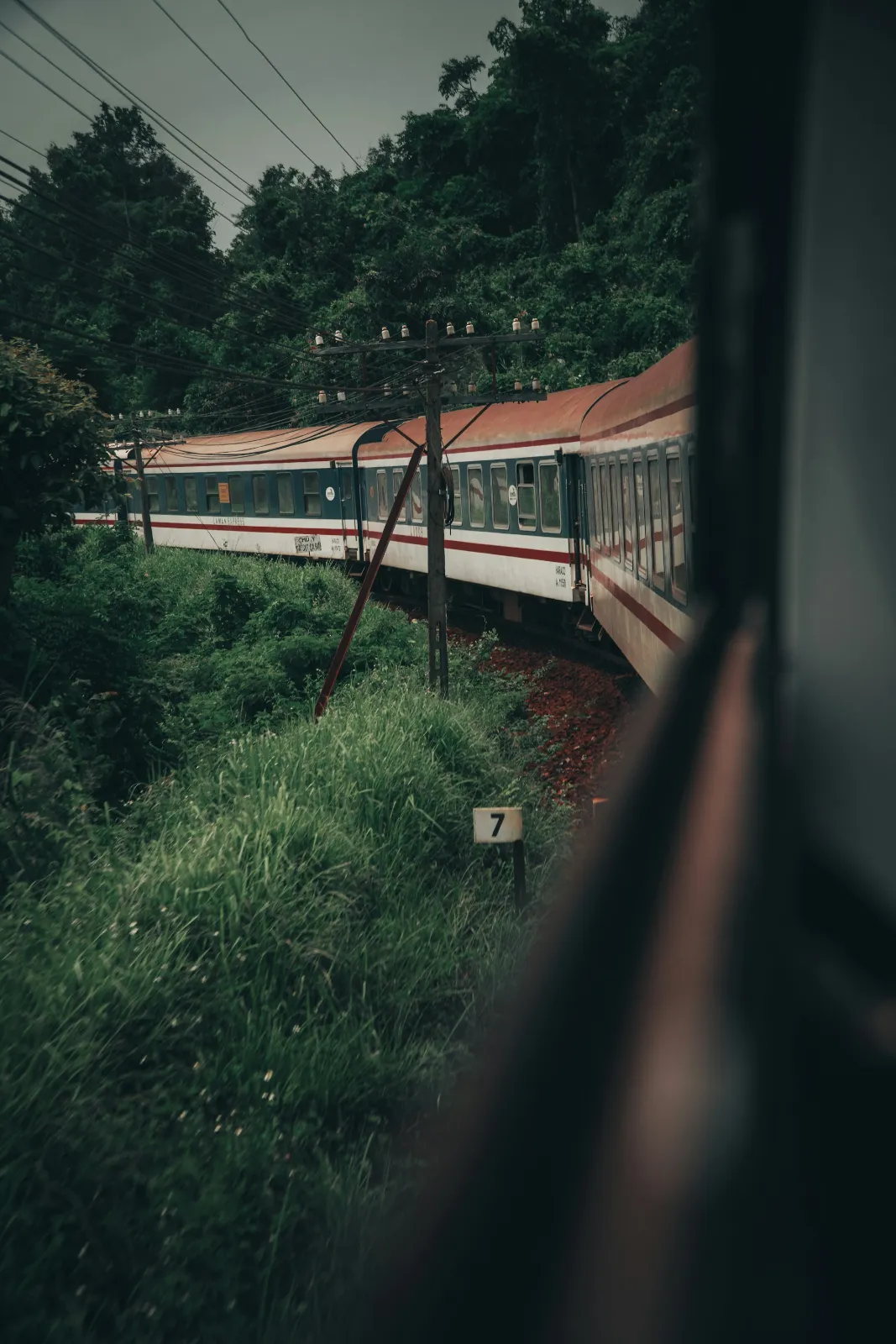
How much is the train from Hanoi to Lao Cai?
A berth in a Vietnam Railways 4-berth sleeper on SP3 costs VND 475,000 to 555,000 (about US$18 to US$21) one way, checked November 2026. A 2-berth compartment costs VND 646,000, and a 2-berth VIP compartment VND 801,000 (about US$31).
| Berth on SP3 (Hanoi → Lao Cai) | Fare (VND) | About (US$) |
|---|---|---|
| 4-berth cabin, upper berth | 475,000–533,000 | 18–21 |
| 4-berth cabin, lower berth | 497,000–555,000 | 19–21 |
| 2-berth cabin | 646,000 | 25 |
| 2-berth VIP cabin | 801,000 | 31 |
Source: Vietnam Railways official fare table, train SP3 for 25 November 2026; fares include insurance and vary by booking date and berth position. Upper berths are about VND 22,000 cheaper than lower ones. Lower berths are easier if you have a big bag or bad knees.
Private tourist carriages, run by companies that attach their own cars to these trains, cost roughly twice as much. They leave and arrive at the same times, so you pay for decor and service, not speed, as The Man in Seat 61 points out. When we checked, the official fare page listed no public Vietnam Railways fares for SP15, so its berths appear to be sold mainly through tourist carriage operators. Check what you are buying before you pay.
Is there a daytime train from Lao Cai back to Hanoi?
Yes. Train SP8 leaves Lao Cai at 12:05 and reaches Hanoi at 19:30, and its berths are much cheaper than the night trains: VND 257,000 to 369,000 (about US$10 to US$14), checked November 2026 on the official fare table.
The return night trains are SP16 (21:25, arriving 05:15) and SP4 (21:50, arriving 05:40). The daytime SP8 is the only train that still stops at Phu Tho, and it lets you watch the Red River valley in daylight. It suits travellers who want to save a hotel night on the way up and see the scenery on the way back.
How long is the bus from Hanoi to Sapa?
The bus from Hanoi to Sapa takes about 6 hours. On 12Go, a typical sleeper leaves Hanoi at 13:00 and arrives at 19:00, and a single-cabin bus leaves at 10:30 and arrives at 16:30 (listings checked November 2026).
The road is fast because of the Noi Bai–Lao Cai expressway. Its first phase, almost 245 km, opened in 2014 and cut Hanoi–Lao Cai driving time from about 7 hours to 3.5 hours, according to the Lao Cai provincial government (laocai.gov.vn). The rest of the time goes on the climb from Lao Cai up to Sapa.
Work to widen the 121 km Yen Bai–Lao Cai section from two to four lanes started on 1 October 2025, with completion planned for 2026. Expect occasional slow sections near road works until it is finished.
For one weekday in November 2026, 12Go listed 667 bus departures from about VND 272,000, 12 limousine vans from about VND 520,000, and private cars from roughly VND 2.4 million per vehicle for a 4-hour trip. You have three main bus formats:
- Sleeper bus (around 40 lie-flat berths on two levels): the cheapest, from about VND 272,000.
- Single cabin bus: a private pod with a curtain or door, about VND 518,500 and up. Some have an onboard toilet.
- Limousine van: a minivan with about 9 to 11 reclining seats, often a little faster than a bus, from about VND 520,000.
Buses leave from company offices in Hanoi's Old Quarter, such as 5 Tran Nguyen Han and 114 Tran Nhat Duat, and many offer pickup near Hoan Kiem Lake. If you have not booked a hotel yet, our guide to where to stay in Hanoi compares the Old Quarter with quieter areas. They drop you at their own offices in Sapa town, several of them on Dien Bien Phu street.
Can you go straight from Noi Bai Airport to Sapa?
Yes. You do not need to go into Hanoi first: for one weekday in November 2026, 12Go listed 254 trips from Noi Bai International Airport to Sapa, including 198 bus departures from about VND 272,000 (12Go).
This saves the drive into the city and back, and a night in Hanoi if you land in the morning. The airport is on the Hanoi side of the expressway, so airport buses join the same road north. If you plan to see Hanoi anyway, do it at the end of your trip instead; our two-week Vietnam itinerary shows one way to order the north.
How do you get from Lao Cai station to Sapa town?
From Lao Cai station, take the red-and-yellow public bus (around VND 50,000), a shared minibus (VND 40,000 to 100,000 per seat) or a private car (about US$30). The 38 km road takes about 50 minutes, according to The Man in Seat 61.
The public buses leave from the top of the car park outside the station. Drivers offering minibus seats meet every train, so you will not be stuck, but prices are easier to agree in daylight. If you arrive on SP15 at 05:20, ask your hotel to arrange a transfer in advance, or head for the public bus in the car park rather than negotiating in the dark.

Train or bus to Sapa: which should you choose?
Choose the bus if you want the cheapest and simplest trip, and the train if you want a proper bed and no mountain bends while you sleep. The table at the top covers price; these situations decide most trips:
- You have one free evening in Hanoi: eat dinner, then take a night train. You arrive in Sapa by about 07:00 and save a hotel night. Have a bowl of pho before you board; our guide to northern pho explains what to order.
- You land at Noi Bai in the morning: take an airport bus or van and be in Sapa by late afternoon.
- You get carsick: take the train. The road transfer is only about 50 minutes, compared with the long winding climb at the end of every bus trip.
- You are three or four people with luggage: a private car can cost close to the same per person as single-cabin buses and lets you stop when you want.
- You are on a tight budget: a daytime sleeper bus up and the daytime SP8 train back is the cheapest combination, with no hotel night lost.
For a full daily budget that includes transport, see our Vietnam travel cost guide.
Where do you board the Sapa train in Hanoi?
Lao Cai trains leave from Hanoi Railway Station (Ga Hà Nội) at 120 Le Duan street, using platforms 5 to 10. Some private carriage companies check passengers in at the main building on Le Duan street and others at the second building on Tran Quy Cap street, on the far side of the tracks (The Man in Seat 61).
Ask your operator which building to use, and arrive at least 30 minutes before departure. The doors between the two sides are not always open, so going to the wrong one can cost you a long walk around the block.

What are the common mistakes on the Hanoi–Sapa trip?
The most common mistakes are booking too late, trusting an old timetable and leaving Sapa too late for the night train back. Each has a simple fix.
- Sold-out berths: regular Vietnam Railways berths are the cheapest on the train, so they tend to go first. Book as soon as your dates are fixed, and treat private carriages as the fallback.
- Old timetables: blog posts that mention SP1 at 21:35 are out of date. Check the current train on dsvn.vn before you book a hotel transfer.
- Tet (Lunar New Year): Vietnam Railways opened ticket sales for Tet 2027 (Tết Đinh Mùi) at 08:00 on 5 September 2026, according to its website. Lunar New Year falls on 6 February 2027, and trains and buses fill up in the weeks around it.
- Leaving Sapa too late: allow at least an hour for the road down. Seat61 suggests leaving Sapa around 17:00 to 17:30 for an evening train from Lao Cai.
- Weather: heavy rain and landslides can close the mountain road or the railway for a day or more during summer storms. Keep a bus as your backup if a train is cancelled, and check our best time to visit Vietnam guide for the rainy months in the north.
Once you know how you are arriving, decide where to sleep: our guide to where to stay in Sapa compares the town centre with valley homestays in Ta Van, Ta Phin and Ban Ho.
FAQ: Hanoi to Sapa
Does the train go all the way to Sapa?
No. Trains from Hanoi stop at Lao Cai station, about 38 km below Sapa. From there, a public bus, shared minibus or private car takes about 50 minutes to reach Sapa town.
How long does it take to get from Hanoi to Sapa?
The bus takes about 6 hours and a private car from about 4 hours. The night train takes 7.5 to 8 hours to Lao Cai, so allow about 9 hours door to door including the transfer.
What time are the night trains from Hanoi to Lao Cai?
Since October 2026, three trains leave Hanoi every evening: SP15 at 21:45, SP3 at 22:00 and SP7 at 22:40. They arrive in Lao Cai between 05:20 and 06:27 the next morning.
Is the sleeper bus from Hanoi to Sapa safe?
Sleeper buses on this route use the expressway for most of the trip and stop once or twice on the way. If mountain roads at night worry you, take a daytime departure or the night train instead, and keep your passport and phone with you in your berth.
How much does it cost to go from Hanoi to Sapa?
A sleeper bus starts at about VND 272,000 (US$10.50) and a Vietnam Railways berth at VND 475,000 (US$18), checked November 2026. Add VND 40,000 to 100,000 for the Lao Cai–Sapa transfer if you take the train.
Can I book the Hanoi–Lao Cai train online?
Yes. You can book on the official Vietnam Railways website, dsvn.vn, or through English-language resellers that add a small fee. You receive an e-ticket that you can show on your phone.